Before Recovery: The First Time He Hit Me
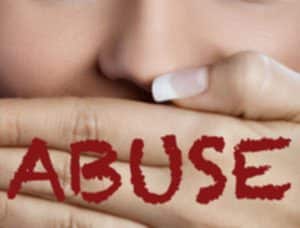
For the purposes of easy reading and to protect his identity, I’ll call my ex boyfriend Aaron. The first time he hit me it surprised me more than it physically hurt. He was immediately consumed with guilt and shame afterward; he fell to his knees and sobbed harder than I’ve ever seen anyone cry.
I cried too, and told him it was all right. He promised it would never happen again. The next day I talked to my Sponsor about it and to some other trusted women in recovery. I knew it wasn’t right that he had laid his hands on me, but I thought that if I loved him hard enough and tried even harder to be the perfect girlfriend, it wouldn’t happen again. There was a part of me that believed it was my entire fault that he had hit me.
I got mixed guidance from the women I talked to. Some told me to leave him and never speak to him again. Others told me to not make any decisions yet and do some 12 Step writing on it. My most trusted advisor said that she had known couples that worked through it, and the abuser was able to heal and not be violent anymore.
I deeply cared and loved my boyfriend. I didn’t want to be like my mom, always jumping from one man to another whenever something went wrong. I wanted to be there for him and help him change and be better, like he had done for me. We were in 12 Step recovery together, though he was brand new and I had introduced him to it. I thought there was no way the abuse could continue; we were going to meetings together every day and he had a Sponsor as well.
But the abuse didn’t stop. It wasn’t every day or even every week, but it began to happen with increasing regularity every few weeks. He became consumed with jealousy, to the point that I couldn’t even look out of the window while we were driving together in the car.
I talked openly about what was happening with my friends in recovery as well as with my Sponsor. I wrote about it and prayed about it, and I stayed with him – trying to be as clear and loving as I possibly could.
But Aaron didn’t change, no matter how patient I was or what gifts I bought him. I hit many bottoms with this relationship, physically, mentally and emotionally. But I did finally choose my bottom, and I left the relationship.
It was one of the most painful decisions and realizations of my life, to finally begin accepting that I could not change him. I felt like I had failed, and if I had just done things differently from the very beginning he never would have started hitting me.
It has been six months since the end. I have spent hours on the phone with my Sponsor, and just as much time writing about it and sharing about it in meetings. Whenever I start to feel sad about what happened, I read over the 12 Steps and replace the word “alcohol” with my ex’s name.
I cannot ever control another person. All I can control is who I choose to spend time with, what thoughts I think and what actions I take. It has taken time, but I now know that I deserve to be treated with gentleness, trust and respect. And honestly, sometimes loving someone means leaving. Like it says in the Big Book of AA, patience and tolerance is our code. Sometimes we must be patient and tolerant of people from afar if their behavior is threatening our wellbeing and sobriety.
My trust in others is beginning to rebuild. But most of all, I am starting to trust myself again. Because of the program of recovery, I have come out of that relationship with greater clarity and a deeper understanding of others, myself, and the fact that sometimes loving means leaving.
If you or a loved one needs help with abuse and/or treatment, please call the WhiteSands Treatment at (877) 855-3470. Our addiction specialists can assess your recovery needs and help you get the addiction treatment that provides the best chance for your long-term recovery.
About the Author

Mark is a proud alumni member of WhiteSands Treatment. After living a life of chaos, destruction and constant let downs, Mark was able to make a complete turnaround that sparked a new way of life. He is serious about his recovery along with helping others. At WhiteSands Treatment, we offer support to you in your homes or when you are out living in your daily lives.